
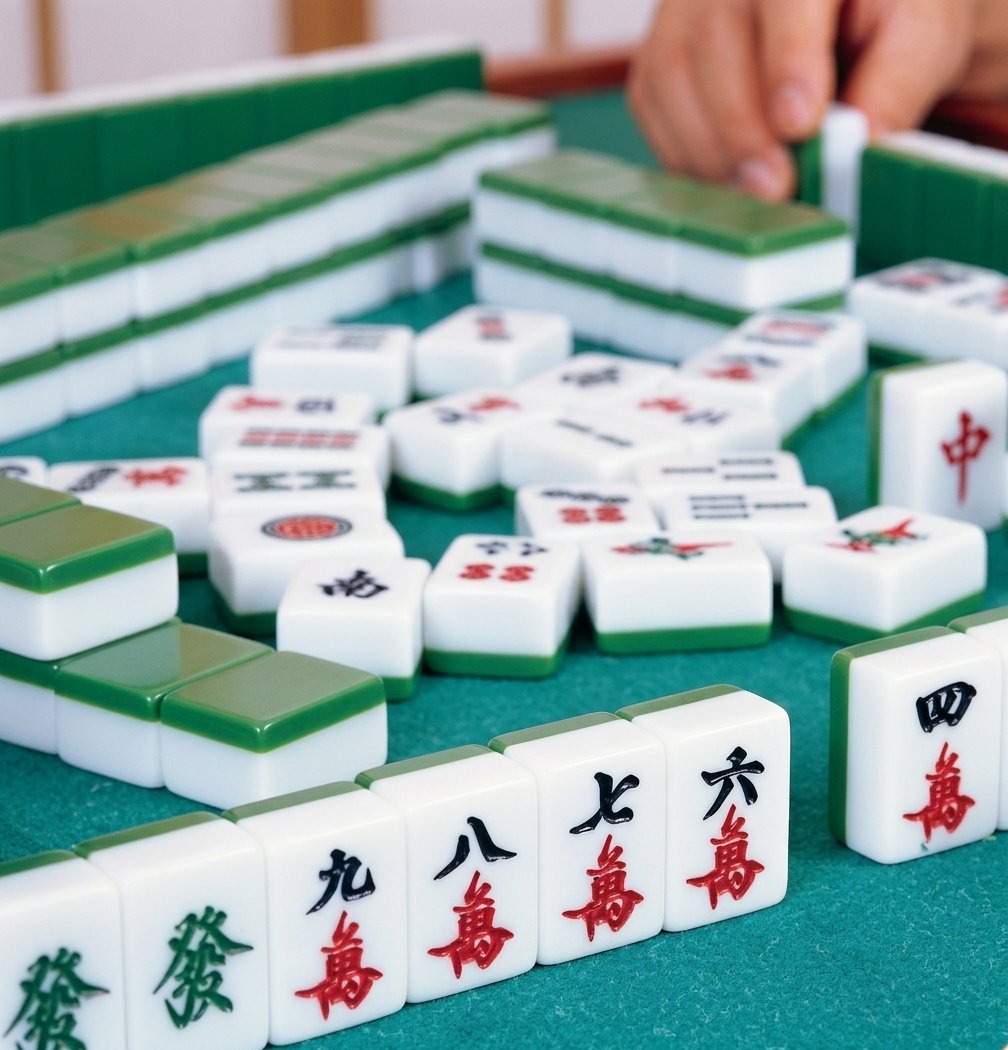
In Hong Kong, we sometimes call mahjong our “national pastime”. A little grand for a table game? Perhaps. But try suggesting that everyone pack up halfway through a round.
For generations, mahjong has brought together people of different ages and backgrounds. Around the table, your job title matters considerably less than the tile you’ve just thrown away.
Weekends, Chinese New Year, family celebrations, even afternoons spent indoors during a typhoon, often come with that familiar clatter of tiles. Someone puts the kettle on. Someone complains about their luck. Nobody seems ready to leave.
Some play for company and friendly competition; others play for money. Either way, “just one more round” should never be mistaken for a reliable departure time.
The basics are easier to learn than that busy table suggests. Recognise the tiles, learn the rhythm of a turn and build your hand. Beating your auntie is a separate project.
Mahjong is also finding new fans in Britain, America and beyond, with clubs introducing newcomers to the game. Its mix of concentration, memory and conversation adds to the appeal. You may hear that it prevents dementia; that hasn’t been established, although researchers are exploring possible benefits for older players.
For Cantonese learners, there’s another bonus: numbers, tile names and plenty of conversation to practise.
Start with our Hong Kong Mahjong guide for complete beginners. Learn the tiles and rules at your own pace before someone at the table says, “We’ll explain as we go.”