The First Cantonese Phrase I’d Teach You: 唔該(m4 goi1)
If you asked me which Cantonese phrase to learn first, my answer would be 唔該 (m4 goi1).
Think of it as a little magic word for everyday life.
Cantonese can sound very direct, especially when you’re still getting used to its rhythms and tone of voice. A simple request may come across as blunter than you intended. Adding 唔該 (m4 goi1). helps make your intention clear: you’re asking politely.
You can put it at the beginning:
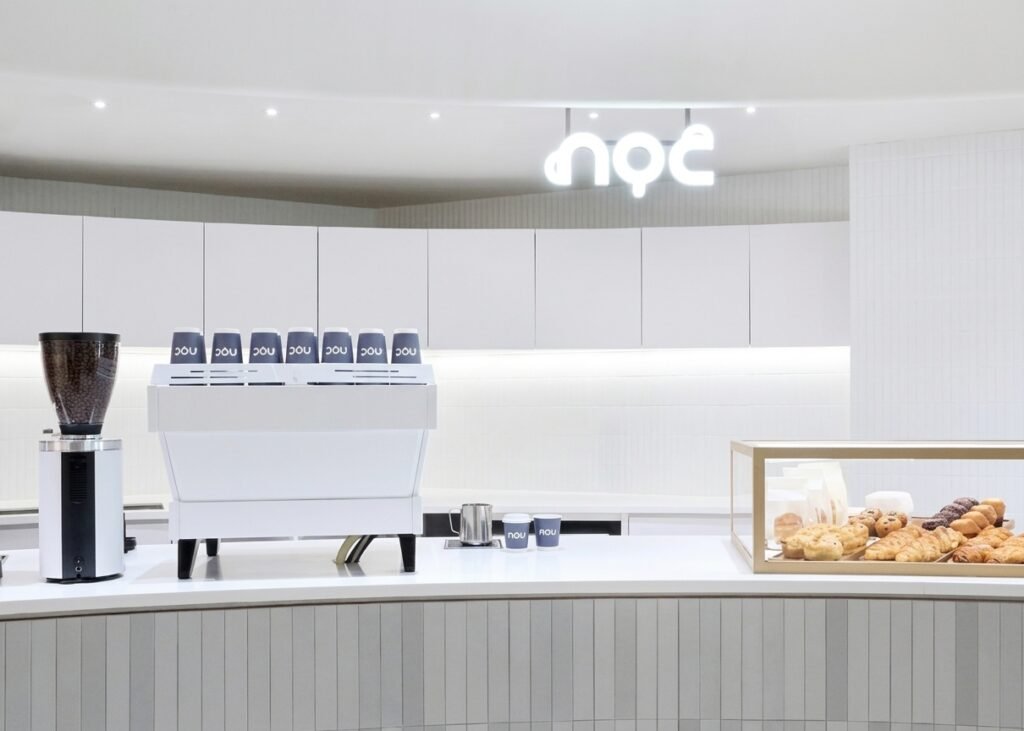
唔該,我想要一杯咖啡。
m4 goi1, ngo5 soeng2 jiu3 jat1 bui1 gaa3 fe1.
“Please, I’d like a cup of coffee.”
Or at the end:
我想要一杯咖啡,唔該。
ngo5 soeng2 jiu3 jat1 bui1 gaa3 fe1, m4 goi1.
“I’d like a cup of coffee, please.”
You’ll also hear 唔該 (m4 goi1). when someone thanks a waiter for bringing a drink or politely gets someone’s attention. Depending on the situation, it can work as “please,” “thank you” for a service, or “excuse me.”
Two small syllables, useful throughout the day.
You don’t need perfect Cantonese to start making a connection. A friendly tone and a well-placed 唔該 (m4 goi1). go a long way.
So before your first coffee order in Hong Kong, learn this little phrase. You’ll have plenty of chances to use it.